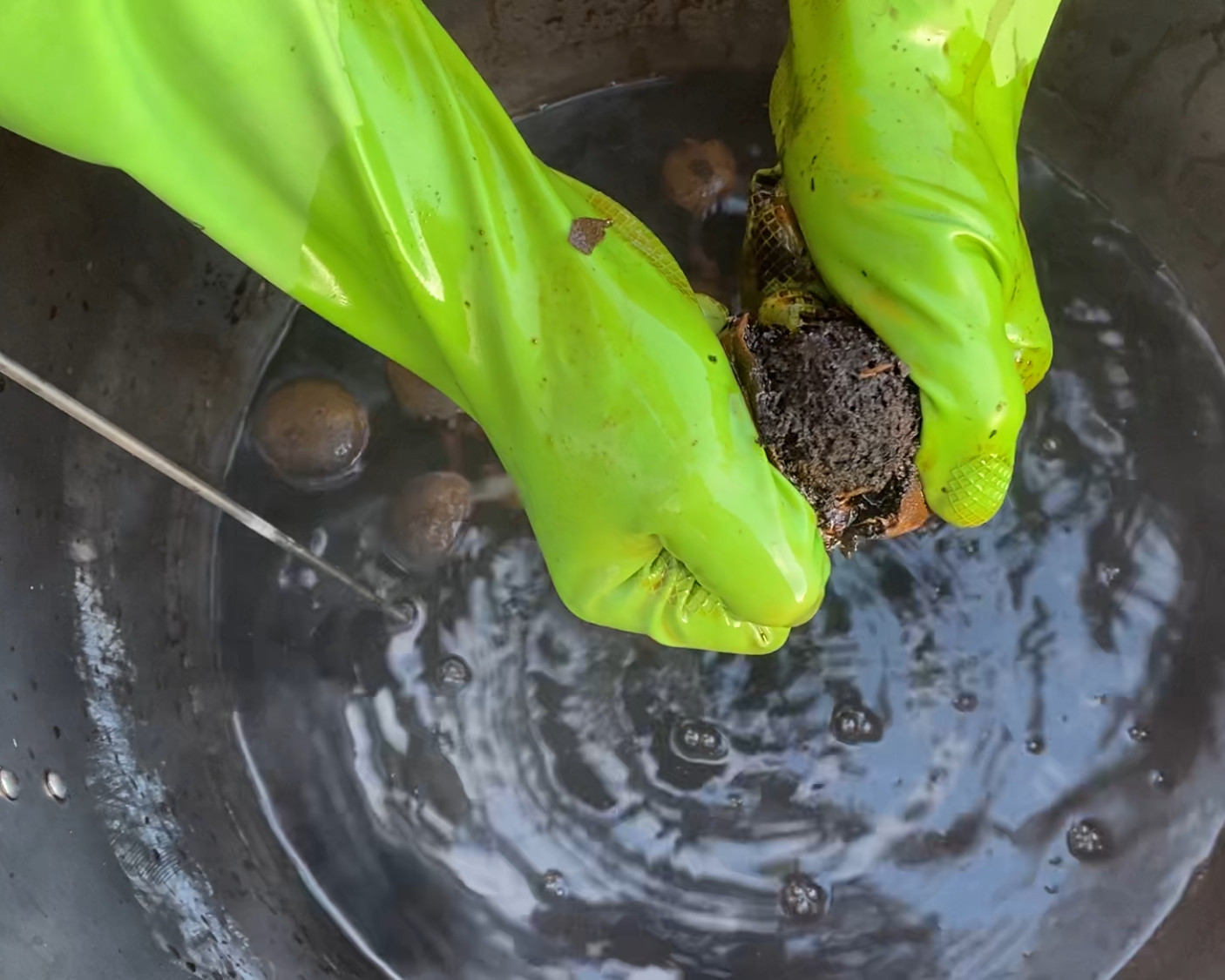
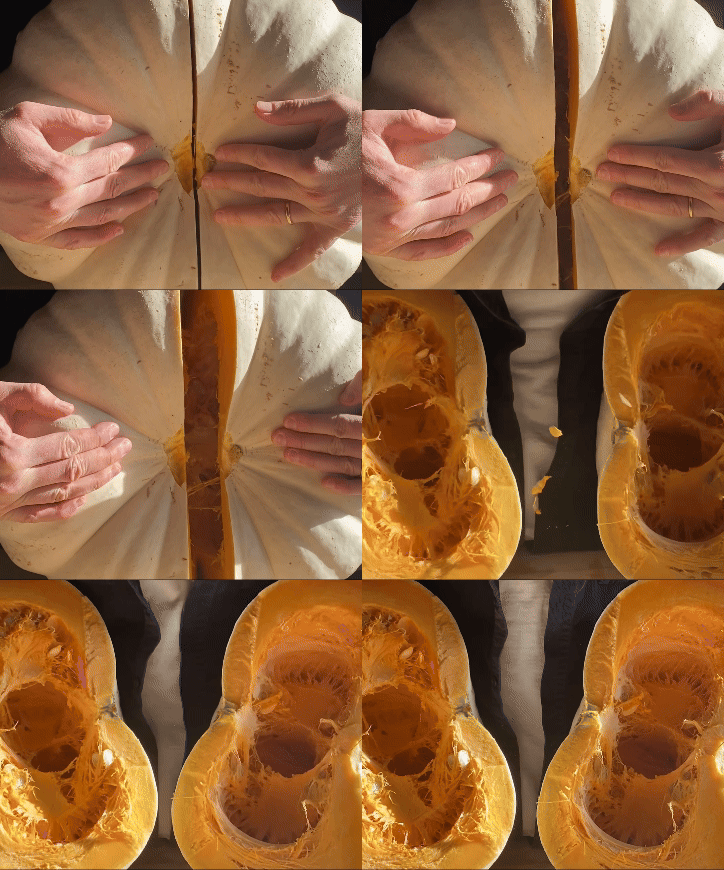
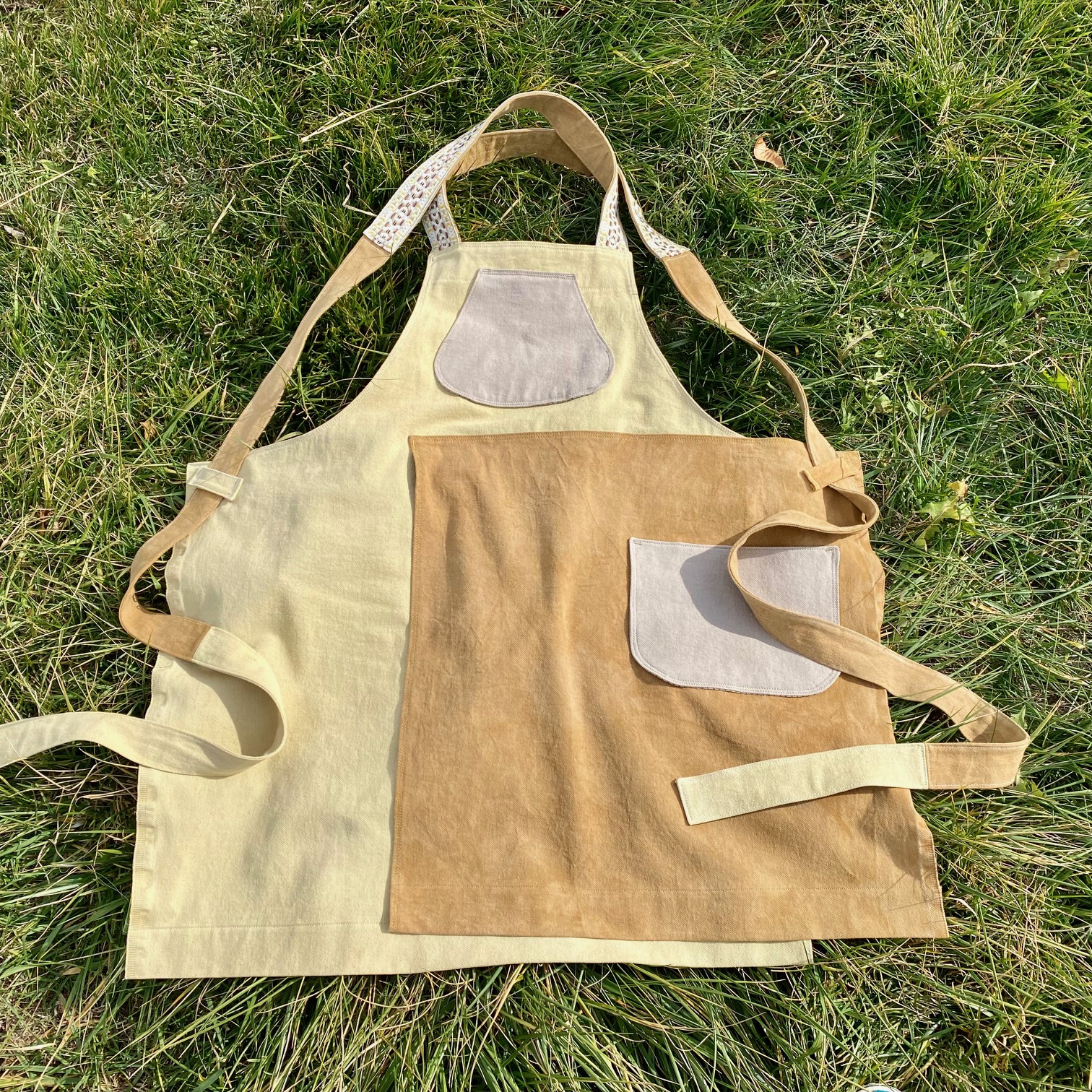
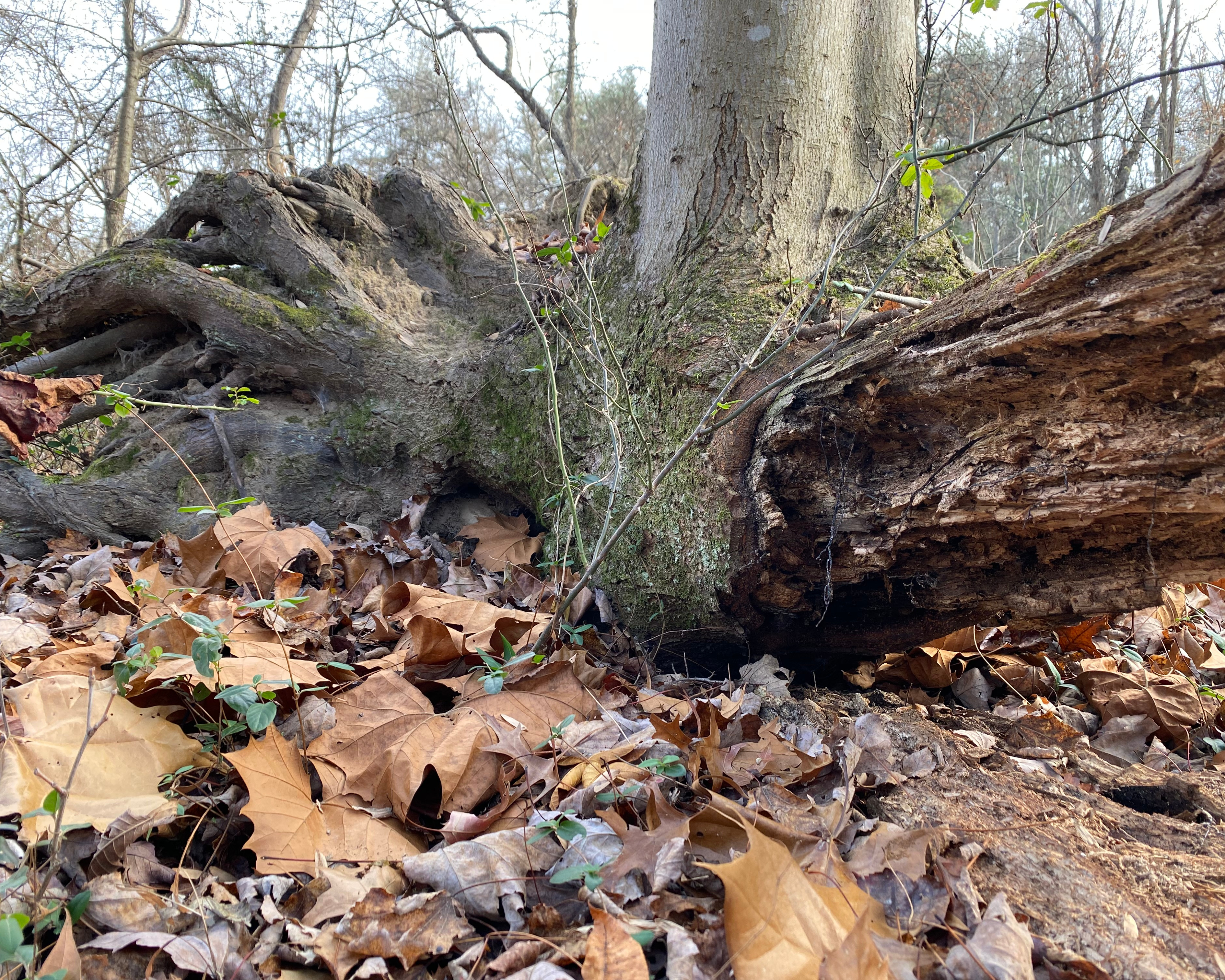
A quick look outside almost any time of year in the Southeast US you’ll see colorful things growing everywhere. Spring flowers, autumn foliage, summer berries and stems in winter.
The more you look the more you see. From the top of trees to the mushrooms fruiting in the dirt. Despite the endless parade of color circling the calendar most attempts to translate that vibrance to fiber will result in brown.
There are scientific reasons for the overwhelming preponderance of brown dye baths. But those reasons are as unsatisfying as they are hard to find.
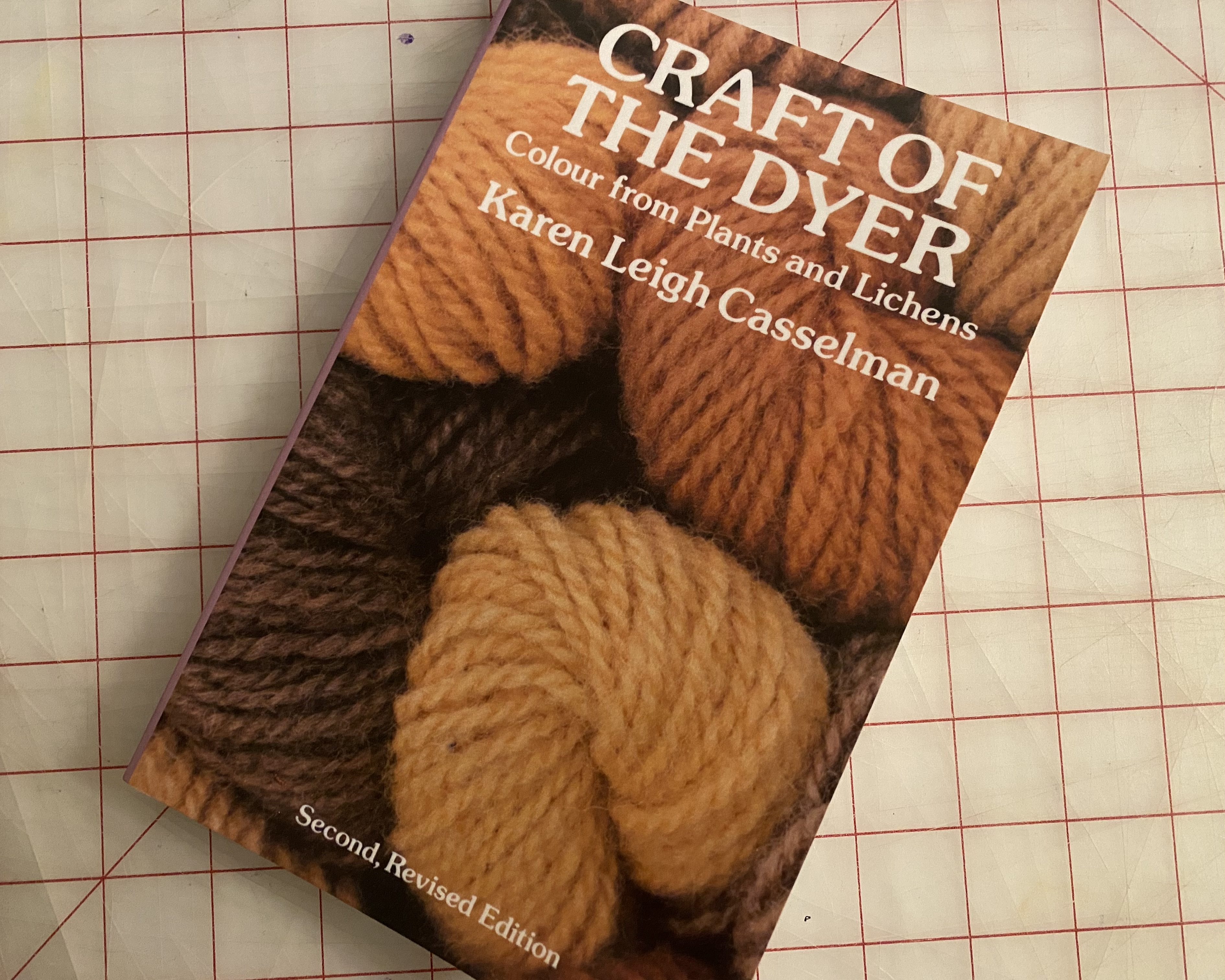
Take a look at the cover of “The Craft of the Dyer,” not exactly a promise of vibrant results.
On top of the underwhelming performance and general lack of consensus on natural dye processes, it’s easy to think of reasons not to even attempt capturing wild color. There are hundreds of more effective, more accurate, less expensive, and no less toxic dyes available on the market.
Yet working with natural dye made from the land we occupy is more fun. There is more joy reflected in our wild browns than any store bought hue.
And while there are hundreds of alternatives, there are more browns. Each brown their own protagonist, we look forward to meeting them all.